.svg)
Building High-Performance Teams in a Hybrid Workplace


Introduction
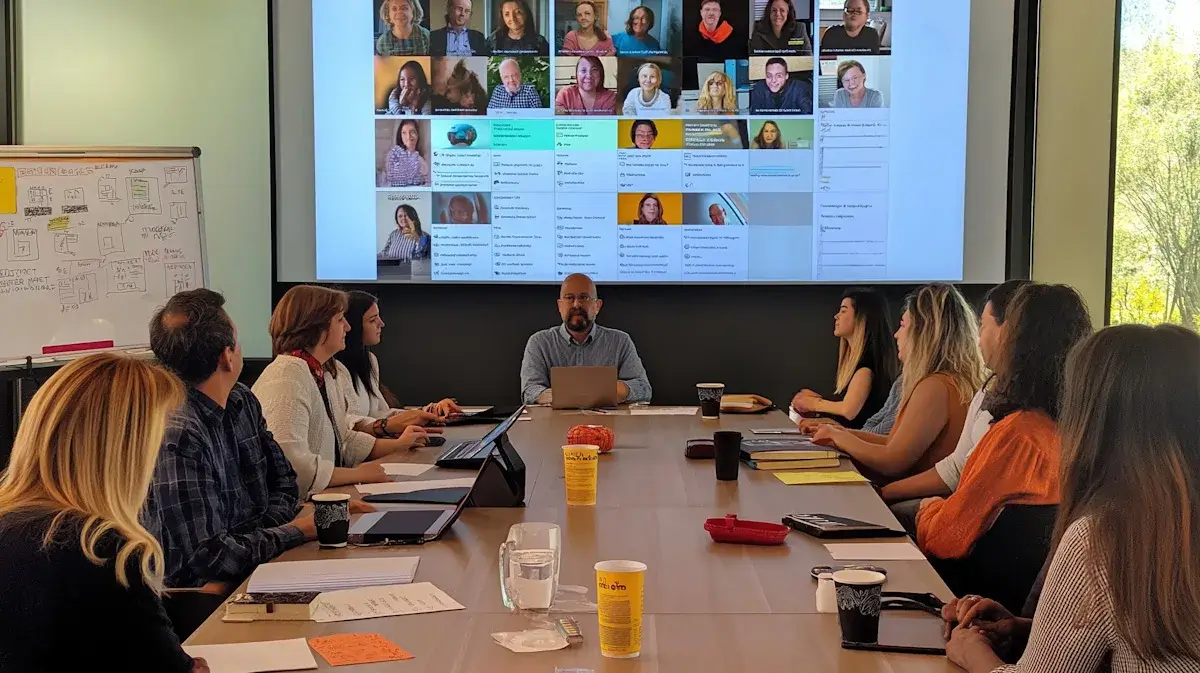
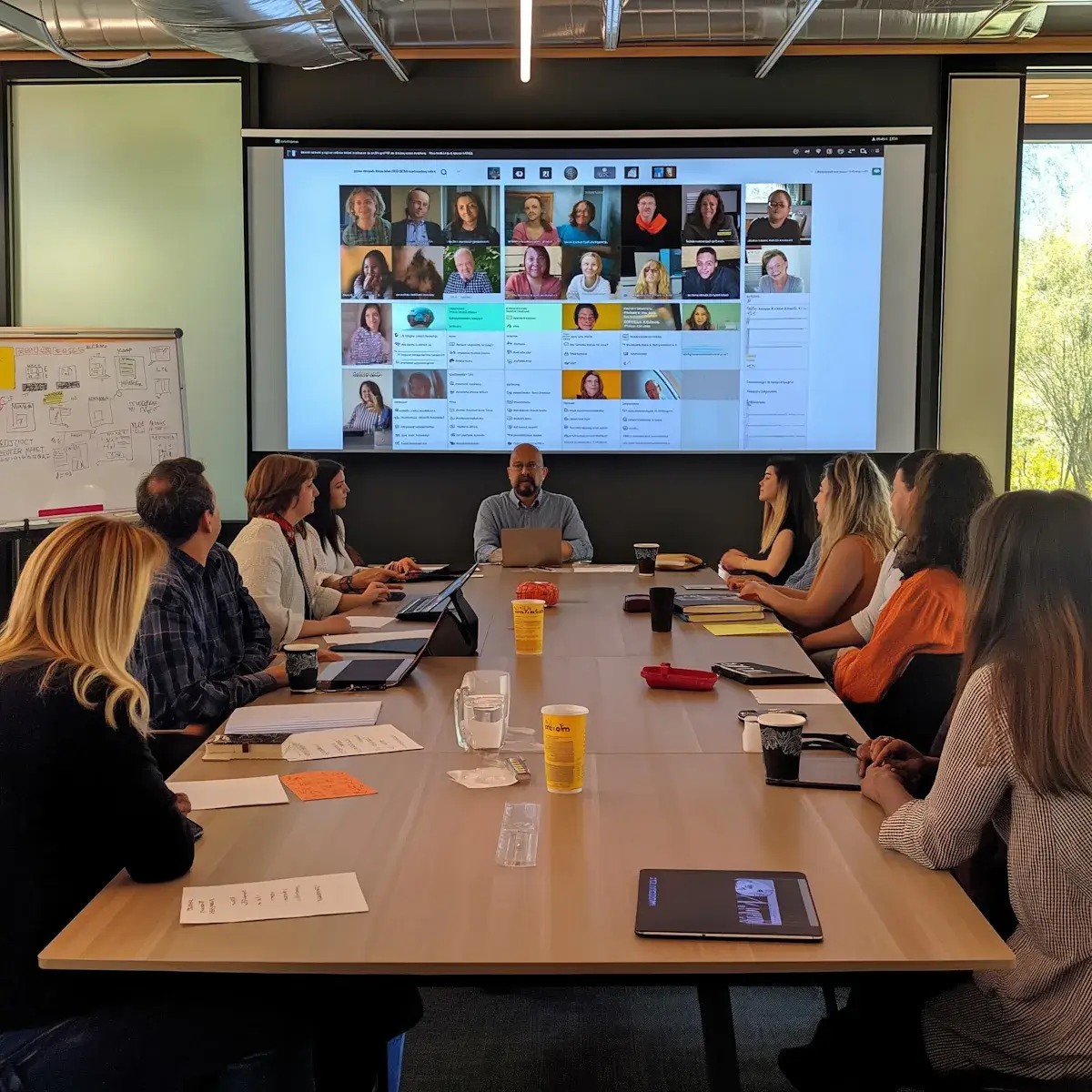
The rise of hybrid work has fundamentally changed how organizations operate. While flexible work arrangements offer numerous benefits, they also present unique challenges related to communication, collaboration, and employee engagement. Organizations that successfully adapt to hybrid work can improve productivity, attract top talent, and enhance employee satisfaction.
Common Hybrid Work Challenges
Many teams struggle with maintaining alignment when employees work from multiple locations. Information gaps, communication delays, and reduced social interaction can negatively impact performance. Leaders must intentionally create systems and processes that support collaboration regardless of where employees are located.
Creating a Strong Team Foundation
- Establish Clear Expectations: Employees should understand performance expectations, communication standards, and project responsibilities. Clarity reduces misunderstandings and promotes accountability.
- Prioritize Communication: Effective communication is essential in hybrid environments. Teams should establish regular check-ins, utilize collaboration tools, and create opportunities for both formal and informal interactions.
- Focus on Outcomes: Successful organizations measure results rather than hours worked. This approach promotes flexibility while maintaining accountability.
Encouraging Collaboration
Collaboration does not happen automatically in a hybrid environment. Leaders should create opportunities for teamwork through workshops, brainstorming sessions, and cross-functional projects. Technology can support collaboration, but organizations must also foster a culture that encourages knowledge sharing and open communication.
Supporting Employee Engagement
Engaged employees are more productive, innovative, and committed to organizational goals. Leaders should regularly recognize achievements, encourage professional development, and ensure employees feel connected to the organization's mission.
Conclusion
Building high-performance hybrid teams requires intentional leadership, strong communication practices, and a commitment to continuous improvement. Organizations that prioritize these areas can unlock the full potential of flexible work environments.


